2026 Best Types of Floor Grating for Global Buyers?

Time:2026-09-23 Author:Sienna
0%

In 2026, global buyers will judge Floor Grating by more than price. They will examine load capacity, corrosion resistance, slip performance, drainage, and installation time. A platform above a chemical tank needs a different solution from a pedestrian walkway beside a warehouse. Small details matter. The bar spacing. The bearing-bar depth. The finish under wet boots.

The World Steel Association reported global crude-steel production of about 1.88 billion tonnes in 2024. That scale supports broad steel-grating availability, but it does not guarantee consistent quality. Grand View Research identifies industrial infrastructure and construction as important demand areas for metal grating. Meanwhile, OSHA guidance continues to emphasize safe walking-working surfaces, secure installation, and slip prevention. Buyers should therefore request verified load tables, material certificates, welding details, and test documentation. A catalogue image is not enough.

David C. Smith, a senior industrial-grating applications engineer, describes the core principle clearly: “The safest grating choice begins with the real load, span, and environment.” That advice is practical, although it is sometimes overlooked during rushed procurement. Steel, aluminum, and fiberglass-reinforced plastic each perform differently around saltwater, chemicals, heat, and heavy traffic. Galvanized steel may offer strong value, while fiberglass can reduce corrosion concerns and maintenance interruptions. Yet no material is perfect. Misjudged spans, poor support angles, or smooth wet surfaces can undermine a well-made panel. This 2026 guide compares the best Floor Grating types for global buyers, with attention to safety, lifecycle cost, compliance, and actual site conditions.
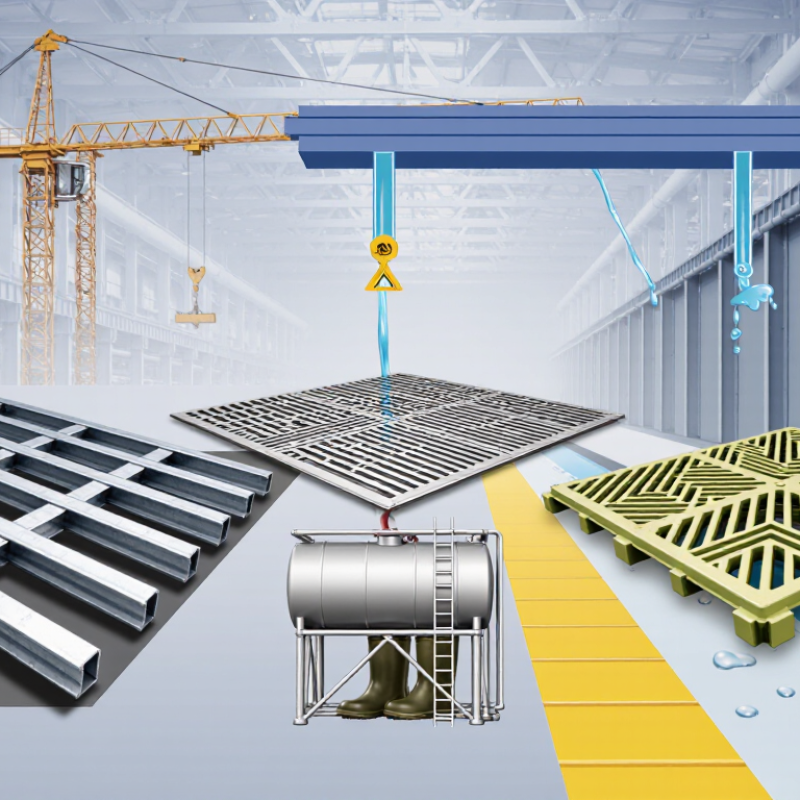
2026 Best Types of Floor Grating for Global Buyers?

What Is Floor Grating and Why Does It Matter for Global Buyers?

What Is Floor Grating and Why Does It Matter for Global Buyers?

Floor grating is a panel system made from load-bearing bars and connecting members. It creates a walking surface while allowing water, air, light, and debris to pass through. Common options include welded steel, press-locked steel, aluminum, and molded FRP grating. Each type suits different conditions.

In practical procurement, strength is only one part of the decision. Buyers should check span, load rating, bar spacing, surface treatment, slip resistance, and corrosion exposure. A galvanized steel panel may perform well outdoors, while FRP can be more suitable near chemicals or persistent moisture. Dimensions also matter. A small mismatch can delay installation and create unsafe gaps. This point is easy to underestimate. International projects may also require different testing documents, tolerances, and safety expectations. Confirm the applicable local requirements before production, not after shipment.

Tips: Request drawings, material certificates, load tables, and coating details. Ask whether cutting, fixing clips, stair treads, and edge frames are included. Check packaging carefully. Long panels can bend during transport if poorly supported. Do not choose only by the lowest unit price. A cheaper grating may need more maintenance or extra site modification. I have seen specifications focus heavily on metal grade while overlooking drainage and cleaning access. That is a useful reminder: the best floor grating is not universally the strongest. It is the option that fits the actual environment, traffic, installation method, and maintenance plan.

Which Types of Floor Grating Are Available in 2026?

In 2026, floor grating is available in several practical forms, and each suits a different working environment.

Welded steel grating remains common for platforms, walkways, and factory mezzanines. Load-bearing bars are welded to crossbars, creating rigid panels with reliable drainage. Press-locked grating uses notched bars pressed together, producing a clean and uniform surface. It works well around entrances, public facilities, and areas requiring closer spacing. Riveted grating uses riveted crossbars and can provide a quieter, more flexible walking surface. It is often selected for ramps and maintenance routes.

Aluminum grating reduces handling weight and resists ordinary atmospheric corrosion. It suits rooftops, coastal platforms, and equipment access areas. Stainless steel grating offers stronger corrosion resistance where cleaning chemicals, humidity, or food-processing conditions matter.

FRP grating, made from fiber-reinforced polymer, provides electrical nonconductivity and low maintenance. It fits water treatment rooms, chemical service areas, and damp plant floors. However, buyers should verify resin performance and fire requirements. Lightweight is not automatically safer.

Global buyers should compare bearing-bar depth, span, mesh opening, surface finish, and load ratings. Serrated surfaces improve grip, but may feel uncomfortable under thin footwear. Smooth surfaces clean easily, yet become slippery with oil or rain.

Hot-dip galvanized steel often offers a practical balance, though coating thickness needs inspection. Details matter.

Practical site experience shows that drawings sometimes omit access-panel dimensions, causing avoidable delays. Ask for drawings, test data, tolerances, and packaging details before ordering. Climate, installation tools, and replacement access also affect the correct choice. Fit matters too.

How Do Floor Grating Materials and Designs Compare?

Choosing floor grating requires more than comparing steel, aluminum, and fiberglass by price. Load, corrosion, span, drainage, and installation conditions often decide performance. The World Steel Association reported about 1.84 billion tonnes of crude steel production in 2024, supporting steel’s broad availability and repairability. Steel grating suits heavy platforms, loading areas, and industrial walkways. Hot-dip galvanized surfaces improve corrosion resistance, but damaged coatings can expose rust beneath muddy boots and standing water.

Aluminum grating is lighter and easier to carry across rooftops or maintenance decks. It also resists many atmospheric conditions without heavy protective coatings. However, its lower stiffness may require closer supports or deeper bearing bars. Fiberglass-reinforced plastic grating offers electrical insulation and strong chemical resistance. A 2024 market assessment by Grand View Research identified corrosion-resistant materials as a major growth factor in the grating sector, especially for chemical and wastewater facilities. The figure supports demand, not automatic suitability.

Design matters just as much. Press-locked grating provides clean lines and flexible panel fabrication, while welded grating usually handles repeated industrial traffic more confidently. Smaller openings reduce heel and tool hazards, but they can restrict drainage and increase weight. EN ISO 14122-2 and OSHA walking-surface requirements emphasize secure access, load capacity, and safe openings. Field measurements still matter. A catalog load table cannot see uneven beams, poor anchors, or a worker carrying equipment. That is where many specifications become optimistic.

How Should Buyers Choose Floor Grating for Different Applications?

Choosing floor grating starts with the application, not the appearance. A wet processing area needs strong drainage and reliable slip resistance. A warehouse walkway may require higher load capacity and tighter openings. For platforms above machinery, select grating that limits dropped objects and supports safe maintenance access. Small details matter.

Material selection depends on exposure. Galvanized steel suits many outdoor platforms when corrosion control is important. Stainless steel performs better in harsh, humid, or chemically exposed environments. Aluminum reduces structural weight, but it may not suit heavy industrial traffic. Check the span, panel depth, bearing bars, and expected loads before ordering. Never rely on visual thickness alone.

In field reviews, poor fit often causes more trouble than weak material. Measure support spacing carefully. Confirm whether forklifts, carts, boots, or cleaning tools will cross the surface. Serrated surfaces can improve traction, yet they may be uncomfortable for frequent barefoot access. Openings also need review around drainage channels and small tools. It is easy to choose maximum strength and overlook daily usability. A practical selection should follow local safety requirements, engineering calculations, installation conditions, and maintenance plans. Product data helps, but it cannot replace site judgment.

2026 Best Types of Floor Grating for Global Buyers

How should buyers choose floor grating for different applications? Material density is a useful comparison for handling, transport, and structural weight, while the final selection must also consider load, span, corrosion exposure, slip resistance, and fire requirements.

Welded Steel

A practical choice for industrial platforms, walkways, stairs, and areas requiring high rigidity.

Press-Locked Steel

Suitable for architectural floors, ventilation areas, and applications needing a clean panel appearance.

Aluminum

Useful where low weight and natural corrosion resistance are important, such as marine and access platforms.

Stainless Steel

Recommended for hygienic, chemical, coastal, and high-corrosion environments when lifecycle durability is critical.

FRP Grating

A lightweight, electrically non-conductive option for chemical plants, water treatment, and corrosive locations.

Chart data shows approximate material density in kilograms per cubic meter, based on commonly published engineering reference values. Density does not determine load capacity by itself; buyers should verify bar size, panel span, support spacing, deflection limits, surface finish, and applicable local standards.

What Global Standards and Installation Factors Should Buyers Check?

For global buyers, floor grating selection begins with standards, not appearance. Check the project’s local building code, occupational safety rules, and required load class. Common references include EN ISO 14122, ASTM specifications, and regional steel or aluminum standards. These documents may address platform access, openings, slip resistance, corrosion protection, and structural performance. Do not assume one standard satisfies every market. That assumption can create costly redesigns.

Installation conditions matter just as much. Confirm the clear span, support spacing, bearing direction, deflection limit, and expected loads. A grating panel carrying workers differs from one supporting carts or maintenance equipment. Measure openings carefully. Small errors can leave unstable edges or difficult replacement work. Use suitable clips, saddles, or bolted connections for the environment. Welding may be practical, but it can damage protective coatings and complicate future removal. Drainage, temperature changes, chemical exposure, and nearby dissimilar metals also require attention. Site experience shows that overlooked cut edges often become early corrosion points.

Tips: Request verified load tables, material certificates, coating records, and installation drawings. Ask an independent engineer to review unusual spans or heavy loads. Keep one spare panel if access is remote. It sounds minor. It can prevent downtime. Also, review the plan with installers before ordering; drawings sometimes look correct but ignore real tools, tolerances, or lifting limits.

FAQS

What is floor grating used for?

Floor grating creates walking surfaces while allowing water, air, light, and debris to pass through.

Which floor grating materials are available?

Common options include welded steel, press-locked steel, aluminum, stainless steel, and molded FRP.

How should buyers choose between steel and FRP grating?

Steel offers strong load performance and can suit outdoor platforms with suitable corrosion protection.

What technical details should be checked before ordering?

Confirm the span, load rating, bearing-bar depth, mesh opening, tolerances, and surface finish.

Is a smooth surface better than a serrated surface?

Serrated surfaces improve grip in wet or oily areas, but they may feel uncomfortable under thin footwear.

What documents should global buyers request?

Request drawings, material certificates, load tables, coating details, test data, and packaging information.

What accessories may be needed with floor grating?

Ask whether cutting, fixing clips, stair treads, access panels, and edge frames are included.

How can buyers reduce transport and maintenance problems?

Long panels need strong support during transport to prevent bending.

Conclusion

In 2026, Floor Grating remains an important solution for creating safe, durable, and efficient walking and working surfaces in industrial, commercial, infrastructure, and marine environments. Its open-grid structure supports drainage, ventilation, light transmission, and slip resistance while reducing unnecessary weight. Global buyers can choose from steel, stainless steel, aluminum, and other engineered materials, along with options such as welded, press-locked, molded, serrated, smooth, removable, or customized designs. Each type offers different advantages in strength, corrosion resistance, maintenance needs, cost, and appearance.

Selecting the right Floor Grating requires careful consideration of the application, expected loads, environmental exposure, traffic conditions, and cleaning requirements. Buyers should also verify dimensions, load ratings, surface treatment, fastening methods, tolerances, and compatibility with local or international safety standards. Proper installation is equally important, including accurate support spacing, secure fixing, edge protection, and safe handling. By evaluating performance, lifecycle value, compliance, and project-specific requirements together, international purchasers can make a reliable and practical choice.


Sienna

Sienna

Sienna is a skilled marketing professional with a deep expertise in our company’s core products and services. With a passion for innovation and detail, she plays a pivotal role in crafting insightful blog posts that not only highlight the unique features of our offerings but also provide valuable......